
Introduction
Diabetes is a critical public health problem that disproportionately affects various groups of people. Therefore, a complex approach is necessary to identify the most effective prevention and treatment methodologies, especially for vulnerable populations. To achieve this objective, the present paper explores Betty Neuman’s nursing theory and the Joanna Briggs Institute (JBI) practice model and connects them to the problem of diabetes. Ultimately, using scientific frameworks is essential to address public health concerns on multiple levels, and a critical analysis of the examined theories is the first step.
JBI Practice Model
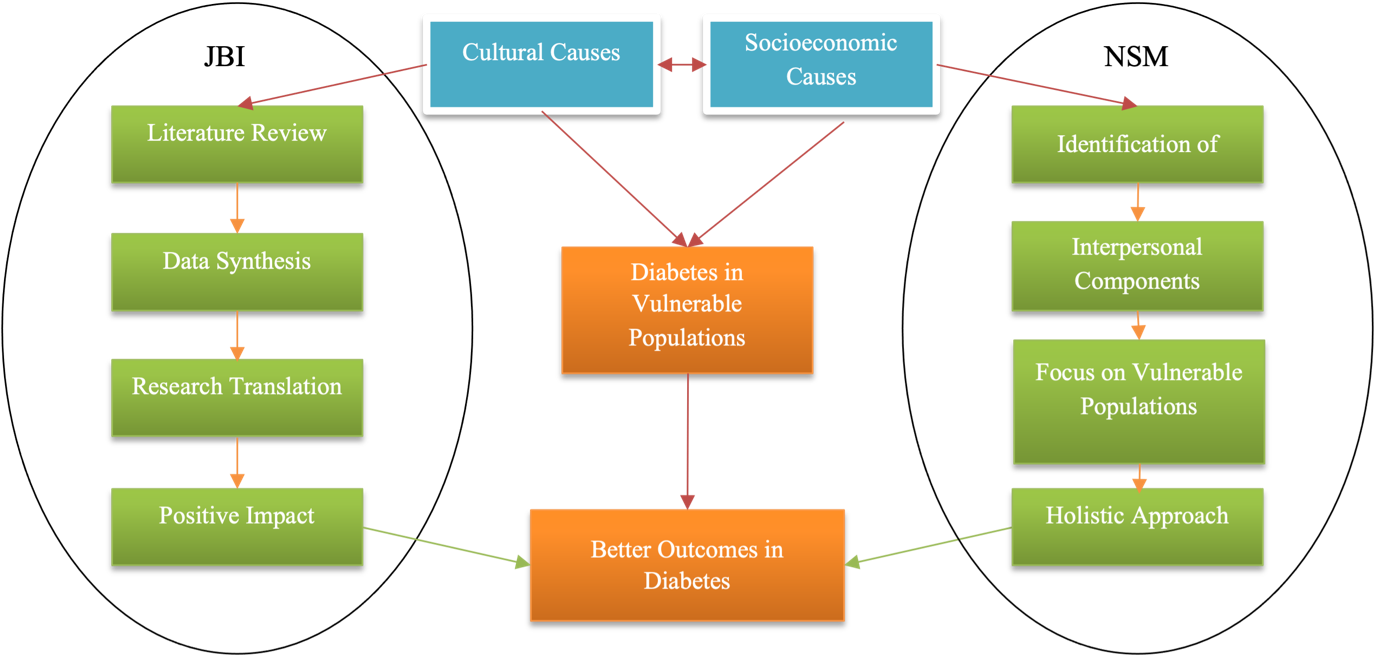
The JBI framework is one of the most relevant evidence-based practice models in nursing. It provides a comprehensive roadmap for translating research into clinical practice through four main steps: evidence generation, synthesis, transfer, and implementation (Püschel et al., 2021). According to the theory, these activities are essential for making a positive contribution to global health and for promoting the use of evidence-based approaches in nursing (Püschel et al., 2021).
The JBI model is beneficial for the present research because it can help establish an effective structure and synthesize data on diabetes in vulnerable populations. It is a tested model; for example, Whitehead et al. (2022) used this framework to identify relevant studies in their systematic review of the impact of goal-setting on diabetes management. In summary, the JBI practice model is a practical methodology for exploring and synthesizing the existing material on diabetes and its prevalence in vulnerable populations.
Betty Neuman’s Systems Model
The primary nursing theory utilized in the project is Betty Neuman’s Systems Model, also known as NSM. In general, this framework recognizes that individuals are complex and dynamic living beings with multiple variables affecting their health outcomes (Yaqoob et al., 2023). In particular, it is essential to evaluate the roles of physiological, psychological, developmental, social, and spiritual components to identify the most effective treatment approach (Yaqoob et al., 2023). This framework is helpful for the present research for two main reasons.
First, the focus on social aspects can help identify why some populations are particularly vulnerable to diabetes (Yaqoob et al., 2023). Secondly, emphasizing psychological and spiritual components is beneficial for effective diabetes management, especially since these factors are often overlooked in treatment (Yaqoob et al., 2023). Therefore, NSM appears to be an appropriate supplemental nursing theory to guide this project.
Conclusion
The JBI evidence-based practice model and the NSM nursing theory are two central frameworks that will be used to conduct research on diabetes in vulnerable populations. The former is an excellent tool for gathering existing data and identifying relevant research gaps through a comprehensive literature review. This approach is also evidence-based, as the authors have applied the JBI framework to diabetes research with notable success.
Furthermore, the model can serve as a guide for translating academic findings into practical application, which is essential to advancing positive change in global health. Similarly, NSM is critical to the project, as it can help further identify the causes of diabetes vulnerability and evaluate the impact of interpersonal factors, including spiritual and social factors. In summary, JBI and NSM are critical supplemental tools that can enhance the credibility and effectiveness of the diabetes scholarly project.
References
Püschel, V. A. D. A., Oliveira, L. B. D., Gomes, E. T., Santos, K. B. D., & Carbogim, F. D. C. (2021). Educating for the implementation of evidence-based healthcare in Brazil: The JBI methodology. Revista da Escola de Enfermagem da USP, 55.
Whitehead, L., Glass, C., & Coppell, K. (2022). The effectiveness of goal setting on glycaemic control for people with type 2 diabetes and prediabetes: A systematic review and meta‐analysis. Journal of Advanced Nursing, 78(5), 1212-1227.
Yaqoob, A., Jan, R., Rattani, S., & Kumar, S. (2023). Betty Neuman System Model: A Concept Analysis. Anxiety, 7, 11-15.
